US, Trump losing trade power to China as Africa, Southeast Asia boost Chinese exports by over $1 trillion.
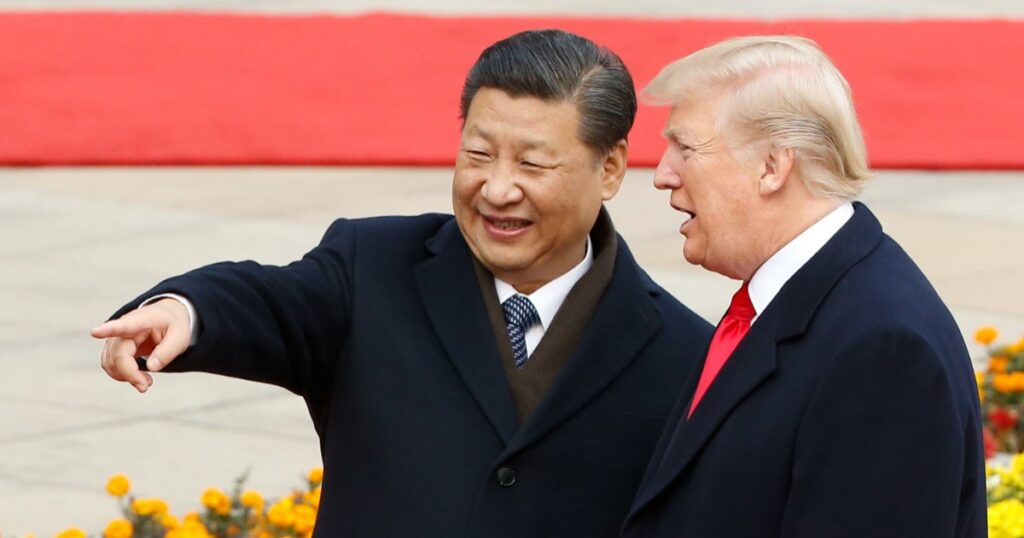
The milestone, reported by Chinese customs authorities on Wednesday, came despite renewed trade pressure from the administration of US President Donald Trump and has reignited debate over the durability and consequences of China’s export-led growth model.
The surplus, roughly equivalent to the annual economic output of a top-20 economy such as Saudi Arabia, was driven by resilient export growth to non-US markets. Chinese policymakers have for several years encouraged manufacturers to diversify beyond the world’s largest consumer economy, a strategy that now appears to be paying off as geopolitical tensions with Washington persist.
“China’s economy remains extraordinarily competitive,” said Fred Neumann, chief Asia economist at HSBC. He noted that productivity gains and rising technological sophistication among Chinese manufacturers have supported exports, although weak domestic demand and excess capacity have also played a role.
Outbound shipments from the world’s second-largest economy rose 6.6% year on year in December, accelerating from November and far exceeding market expectations. Imports also surprised on the upside, growing 5.7% and signalling pockets of resilience even as the country grapples with a prolonged property downturn and cautious consumer spending.
For Africa and Southeast Asia, the data highlight China’s expanding economic footprint. Exports to Africa jumped 25.8% in 2025, while shipments to the Association of Southeast Asian Nations rose 13.4%. Sales to the European Union also grew by a solid 8.4%, helping to offset a sharp contraction in US-bound trade.
Exports to the United States fell 20% in dollar terms last year, while imports from the US declined 14.6%, reflecting the impact of tariffs and political frictions since Trump returned to the White House.
Looking ahead to 2026, Beijing faces mounting pressure to address these concerns without derailing growth. Rising trade surpluses could strain relations with partners that rely heavily on manufacturing exports themselves, especially in parts of Asia, Africa, and Europe where industrialisation is a political priority.
China’s use of strategic commodities has also drawn attention asrare-earth exports surged to their highest level in more than a decade, even as Beijing imposed restrictions on certain elements from April. Analysts view the move as a reminder of China’s leverage in sensitive supply chains amid negotiations with Washington over agriculture, aviation, and technology.
The world’s largest agricultural importer bought a record volume of soyabeans in 2025, largely from South America, as Chinese buyers reduced purchases from the US for much of the year. This shift underscores how trade tensions are reshaping global commodity flows, with knock-on effects for farmers and exporters across continents.
Source: Africabusinessinsider